How to Choose Watering Cans for Balcony Container Gardens
For a renter with container plants, the best watering can is usually the smallest one that carries a useful amount without becoming awkward between the sink and balcony. Start with filled weight and the whole carrying route, then choose the spout, opening, and storage shape.
As an Amazon Associate, The Good Home Doc may earn from qualifying purchases.
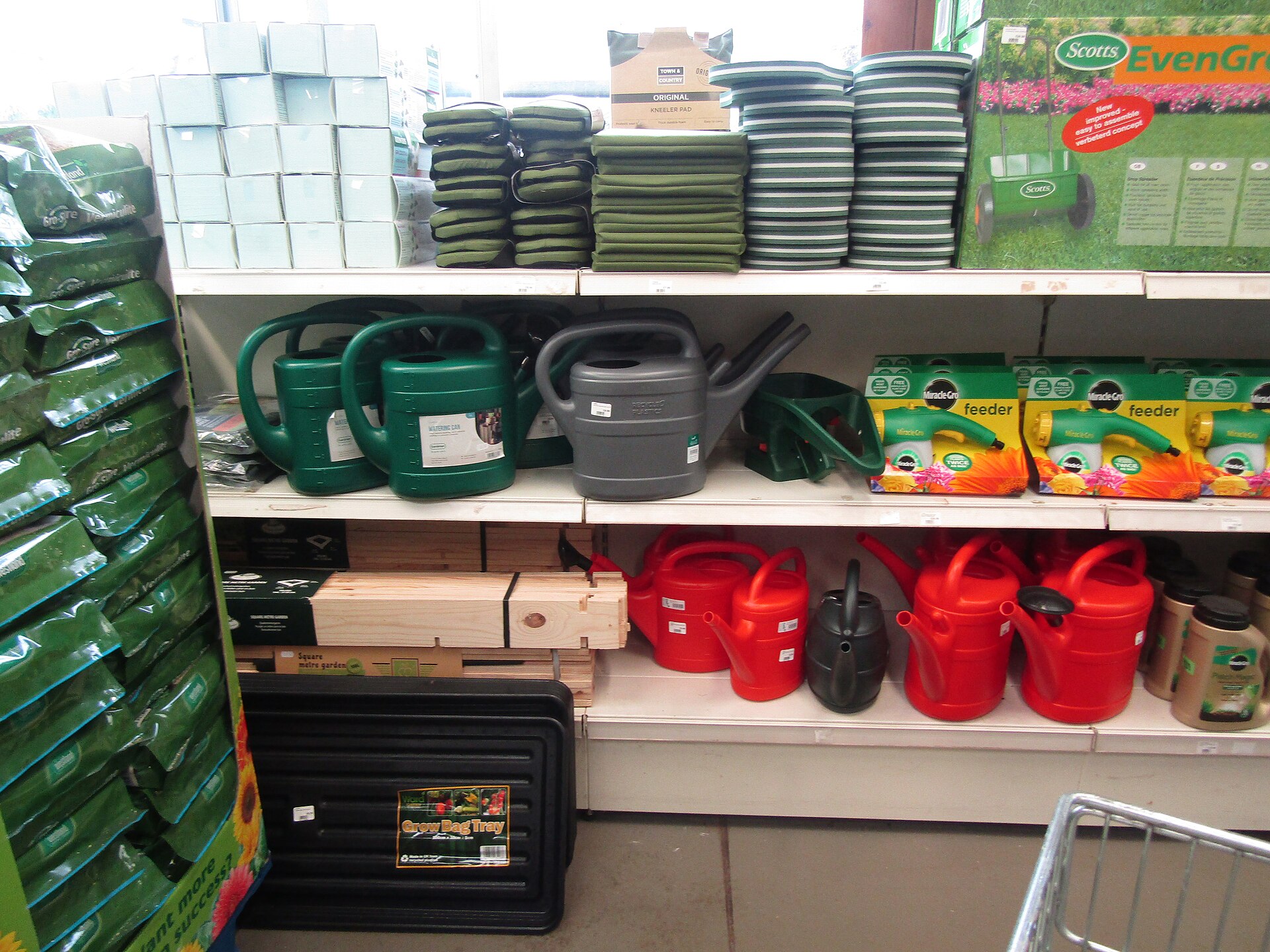
Quick decision before shopping
First measure the available space, identify the setup or surface constraints, and decide who will maintain the item. Skip the category if it blocks access, conflicts with the manufacturer's instructions or lease, or adds more upkeep than the problem justifies.
Compare the format after measuring your fill point and route: These affiliate category searches are shopping starting points, not tested rankings.
- Browse category: Compare compact long-spout watering cansCheck stated capacity, complete length, fill opening, handle clearance, removable parts, and stored footprint.
- Browse category: Compare small watering cans with a removable roseCheck whether the rose changes the pour as needed, attaches securely, and can be cleaned and stored without getting lost.
Confirm current dimensions, capacity, materials, assembly, cleaning, outdoor-storage guidance, warnings, and return terms for the exact item. Capacity alone does not tell you filled weight or pouring control.
Quick comparison
| Format | Best fit | Main tradeoff | Skip when |
|---|---|---|---|
| Compact long-spout can | Crowded pots and watering close to the soil | The spout adds stored length and can bump doors or rails | Your shelf or cabinet cannot hold its full length |
| Short-spout utility can | Larger, easy-to-reach containers | Less precise reach around dense leaves | Water must pass through foliage or behind other pots |
| Can with removable rose | A gentle shower pattern plus a direct pour option | More parts to clean, dry, and store | The fitting drips, loosens, or is easy to misplace |
Start with the filled weight
One liter of water weighs about one kilogram, or 2.2 pounds, before adding the can itself. Use the listed capacity to estimate the load, but do not assume you must fill it completely. A smaller can and two controlled trips may be easier than one heavy trip through a narrow doorway.
Trace the route from faucet to plants. Include the lift out of the sink, wet-floor risk, door threshold, screen door, steps, pets, and the need to keep one hand available. If the route is awkward when the can is empty, choose a smaller body or a different fill point.
Measure the sink, spout, and storage space
Check whether the body fits under the faucet with enough room to tilt it out without scraping fixtures. Measure the sink depth, faucet clearance, fill-opening width, and can height. A broad opening is easier to fill and wipe; a narrow neck may reduce splashing but can make interior cleaning difficult.
For storage, measure total length from spout tip to the farthest handle edge—not just body width. Decide whether it will sit on the floor, a shelf, or inside a cabinet, and leave room for it to dry. Balcony storage can expose plastic and seals to sun, heat, freezing temperatures, and wind, so follow the maker's storage directions and bring the can inside when required.
Match the spout to the plants
A long narrow spout helps place water near the potting mix when leaves overlap or pots sit behind one another. It does not automatically mean a slow, controlled pour; outlet size, air flow, handle position, and tilt all matter. A short spout is easier to store and may suit open planters that are simple to reach.
A removable rose spreads water over a wider area. That can help with shallow containers when the product supports it, but the fitting must stay secure and the pattern must not send water over the balcony edge. Remove it only as directed, and keep the part where it can dry and remain with the can.
Rental and balcony constraints
- Check the lease and building rules: Confirm whether planters, water runoff, balcony storage, hanging items, and use of exterior faucets have restrictions.
- Keep water inside your space: Do not let runoff drip onto lower balconies, exterior walls, walkways, or neighboring property. Use measured pours and suitable saucers or trays, and empty collected water as plant and product instructions direct.
- Protect the route: Wipe spills promptly and avoid leaving the can where it narrows a doorway, walkway, or required exit.
- Do not attach storage casually: A can is portable; wall or railing hooks may not be. Get landlord approval before drilling or adding attachments, and never suspend a can where it could fall.
- Plan for moving day: Favor a can that empties, dries, and nests in a moving box without a fragile fixed spout extending beyond it.
Setup, noise, and maintenance
Rinse a new can as directed before its first use and inspect seams, the spout joint, handle, cap, and rose. Test a partial fill over the sink or another permitted area. Practice the tilt before carrying it outside, and stop using a can that leaks from a joint or no longer feels secure.
A watering can itself is quiet, but repeated contact with a metal railing, ceramic pots, or a shared wall is not. Give the spout a clear turning radius and set the can down rather than dropping it. After use, empty it, clean it according to its instructions, and let every part dry. Do not leave standing water to become debris-filled or a pest-breeding source.
Must-haves versus nice-to-haves
Must-haves
- A manageable filled weight and balanced grip.
- Complete dimensions that fit the faucet, route, and storage space.
- A spout that reaches the soil without striking leaves, pots, doors, or railings.
- An opening and interior that you can clean and dry.
- Material and storage guidance that fits the balcony conditions.
Nice-to-haves
- A removable rose when you will use and maintain both pour patterns.
- Measurement marks when the maker explains their use.
- A two-position handle that remains comfortable through the full pouring motion.
- A removable spout when the joint is secure and the pieces store together.
Who should skip a watering can?
Skip the category if the trip from sink to balcony is unsafe, the filled load is difficult to control, or building rules prohibit the setup. A lightweight bottle or small handled pitcher may be simpler for one or two reachable pots if its material, pour, cleaning, and use fit the job.
Skip balcony watering until you have corrected unstable planters, blocked drains, damaged railings, recurring leaks, or runoff affecting other units. Those are property-management or qualified-professional questions, not problems a different can can solve.
Buying checklist
- Count the pots and note which are hard to reach.
- Measure faucet clearance and the fill opening you need.
- Estimate filled weight from capacity plus the can.
- Walk the route and check doors, thresholds, and turns.
- Measure the complete stored length and height.
- Choose direct spout, rose, or both based on the containers.
- Confirm cleaning, drying, sun, heat, and frost guidance.
- Check lease and building rules for runoff and balcony storage.
Bottom line
For most apartment balcony gardens, start with a compact long-spout can whose partial fill is easy to carry and whose full length fits the storage spot. Choose a removable rose only if you need a shower pattern and will keep the fitting clean. The right can should make controlled watering easier without creating a heavy carry, a wet route, or another awkward object on a small balcony.
Next plant-care tool: If a permitted outdoor hose reaches the containers, compare hose nozzles and watering wands by connection, reach, control, care, and storage. If routine trimming is part of the same setup, compare hand pruners and precision plant snips by stem size, grip, lock, maintenance, and safe storage.