How to Choose Garden Kneeling Pads for Raised Beds and Containers
A garden kneeling pad can keep clothing away from damp soil and rough paving during short, low-level tasks. The useful choice is the pad that fits both knees, stays manageable on the actual surface, cleans without fuss, and has a dry storage place. It is not a mobility aid, fall-prevention device, or treatment for pain.
As an Amazon Associate, The Good Home Doc may earn from qualifying purchases.
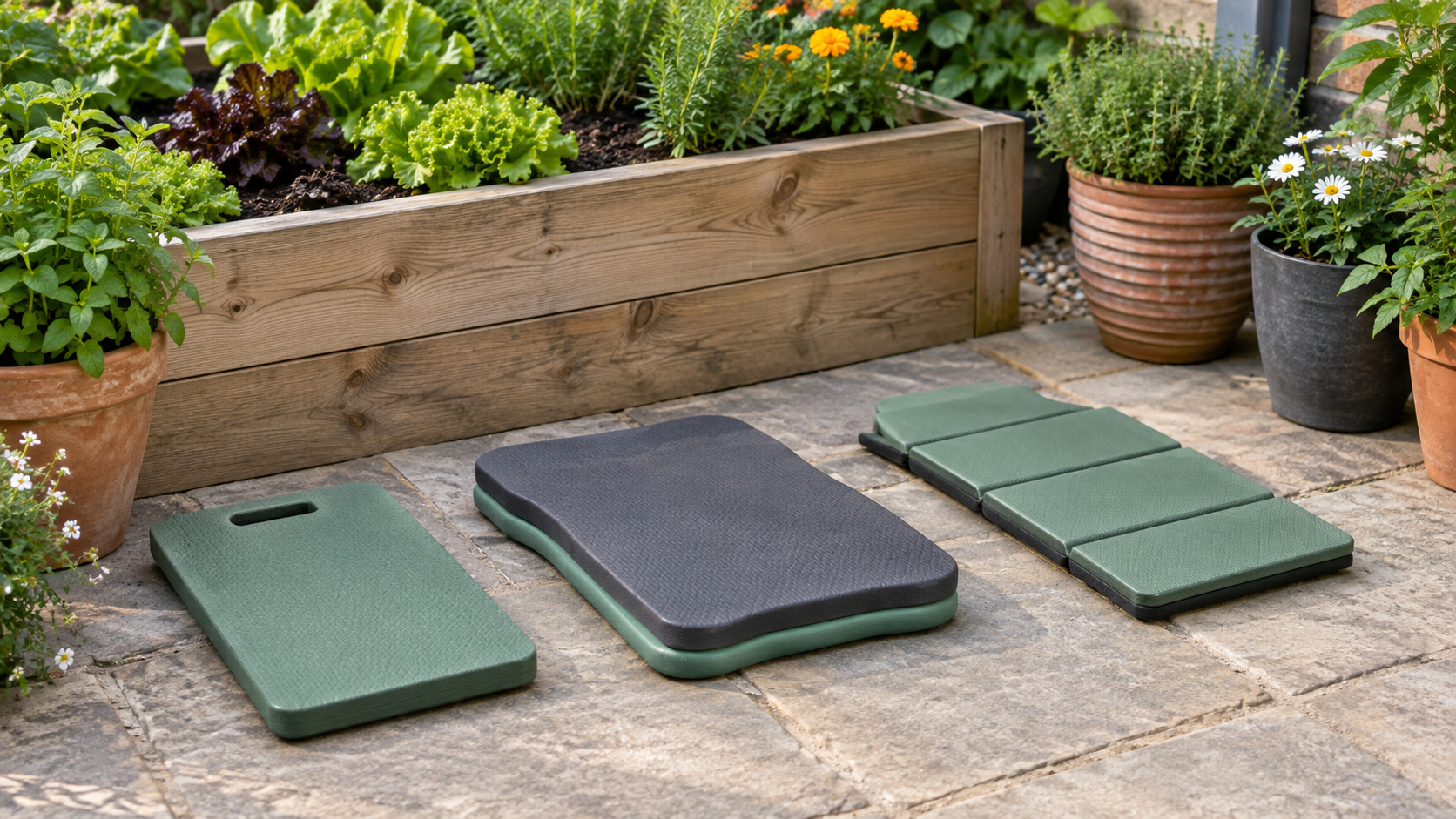
Quick decision before shopping
First measure the available space, identify the setup or surface constraints, and decide who will maintain the item. Skip the category if it blocks access, conflicts with the manufacturer's instructions or lease, or adds more upkeep than the problem justifies.
Start with usable size and ground conditions: These affiliate category searches are comparison starting points, not tested rankings.
- Browse category: Compare compact garden kneeling padsCheck the complete dimensions, usable knee area, surface texture, carry opening, cleaning directions, and stored size.
- Browse category: Compare wide garden kneeling padsFavor enough usable width for your stance, then check whether the larger pad remains easy to move and store.
- Browse category: Compare folding garden kneeling padsInspect the complete open size, fold lines, surface seams, cleaning guidance, and folded shape before choosing portability over simplicity.
Confirm current dimensions, material description, intended use, cleaning and drying instructions, warnings, warranty, and return terms for the exact pad. Do not rely on thickness alone as a promise of comfort, stability, or durability.
Quick comparison
| Format | Best fit | Main tradeoff | Skip when |
|---|---|---|---|
| Compact one-piece foam pad | Short tasks and frequent carrying between containers | Less room to reposition | Your normal stance does not fit fully on the usable area |
| Wide or layered foam pad | Long raised-bed edges and a little more room to shift | Bulkier to carry and store | It blocks a narrow path or has no practical storage spot |
| Folding pad | Carrying to a plot or storing in a shallow space | More seams and fold lines to inspect and clean | You want a simple one-piece surface or the folded shape stays damp |
Measure the usable area, not just the listing
Place both knees in your normal working position on a folded towel and measure the width and front-to-back area you actually use. Compare that footprint with the pad's usable top surface. A carry slot, tapered end, rounded corners, raised border, or seam can reduce the area available even when the overall dimensions look generous.
Also measure the place where the pad will be used. A wide pad may fit neatly along a raised bed and obstruct a narrow balcony route. A compact pad is easier to move between pots but may demand precise positioning every time you shift.
Match the pad to the surface
Dry paving and decking
Check whether the maker describes the pad for the surface you have and whether its underside can pick up grit. Sweep away sharp debris before setting it down. A kneeling pad does not make a slick, sloped, unstable, or obstructed area safe.
Soil, mulch, and gravel
Uneven ground can make a small pad rock or leave part of it unsupported. Remove visible sticks and stones, keep the pad away from holes and bed edges, and follow the product's stated use limits. Do not assume a thick-looking pad resists punctures.
Damp ground
Look for explicit manufacturer guidance about water exposure, washing, and drying. “Water-resistant” descriptions vary and do not mean the pad should be stored wet or left outdoors. If care instructions are vague, plan to wipe the surface and air-dry it fully before storage.
What matters most
Complete dimensions and usable knee space
Width matters when both knees need to stay on the pad without crowding. Length matters when you change position. Thickness is only one construction detail; material density, layering, surface shape, temperature, and ground conditions can change how a pad feels. Treat comfort language as subjective unless the maker provides a specific, verifiable construction detail.
Surface texture and edges
A textured top can help define the working side and may be easier to grip while carrying. Deep grooves, decorative channels, and laminated edges can collect soil or take longer to dry. Inspect product photos for seams and recesses, then check the stated cleaning method.
Carrying and storage
A slot handle keeps one-piece pads simple, but it reduces usable area. A folding design may fit a bag or shelf more easily, while its hinges or fabric connections create extra inspection and drying points. Measure the stored shape and decide where it can dry without becoming a trip obstacle.
Must-have features
- Published complete dimensions: You need width, length, and thickness to judge fit and storage.
- Enough usable surface: Account for cutouts, curves, seams, and borders.
- Clear intended-use guidance: The seller or maker should identify the pad as a kneeling surface and state relevant limitations.
- Practical cleaning directions: Know whether it can be rinsed, wiped, or only spot-cleaned and how it should dry.
- A dry storage plan: The complete pad should fit without blocking a door, walkway, or frequently used shelf.
Nice-to-have features
- Carry slot or strap: Helpful when moving among beds, provided it does not compromise the needed knee area.
- High-visibility color: Easier to notice when set beside a bed or path.
- Two-sided texture: Potentially useful when both sides are documented for ground contact and can be cleaned.
- Folding panels: Useful for transport when the seams are easy to inspect and dry.
Garden pad versus kneeler-seat frame
A flat pad is light, simple, and intended to create a portable surface between the user and the ground. A framed garden kneeler that flips into a seat is a different product category with frame stability, assembly, hand-support, load, pinch-point, and storage questions. This guide does not evaluate those frames.
If getting down to the ground or standing back up is difficult, do not treat a foam pad or improvised support as a solution. Choose a work height and method appropriate to your needs, and seek qualified guidance when necessary.
Setup and care checklist
- Measure your normal two-knee footprint and the work area.
- Compare usable surface dimensions after subtracting handles, curves, and seams.
- Check the maker's intended surfaces, use limits, cleaning method, and drying directions.
- Clear sharp debris and place the pad fully on a stable, reasonably level area.
- Keep paths, steps, doors, and raised-bed edges clear.
- After use, remove loose soil and clean the pad according to its instructions.
- Dry it fully and inspect for splits, separation, damaged seams, or a shape that no longer lies as intended.
Who should skip each format?
Skip a compact pad if both knees and normal position changes do not fit inside the usable area. Skip a wide pad if it obstructs the route, is awkward to carry, or has no dry storage place. Skip a folding pad if the seams are difficult to clean and inspect or the folded layers retain dampness.
Skip the entire category if the work can be raised to a comfortable standing height, if the ground is unstable or obstructed, or if you need support for balance, standing, or a medical concern. A basic kneeling pad is not designed to solve those problems.
Bottom line
For short tasks between containers, a compact one-piece pad is easy to carry. For working along a raised bed, a wider pad offers more room to reposition if it fits the path. A folding pad earns its place when transport or shallow storage matters enough to justify extra seams. Measure the usable area, match it to the ground, verify the care instructions, and ignore unsupported promises about comfort or durability.