How to Choose Scrub Brushes for Textured Shower Floors
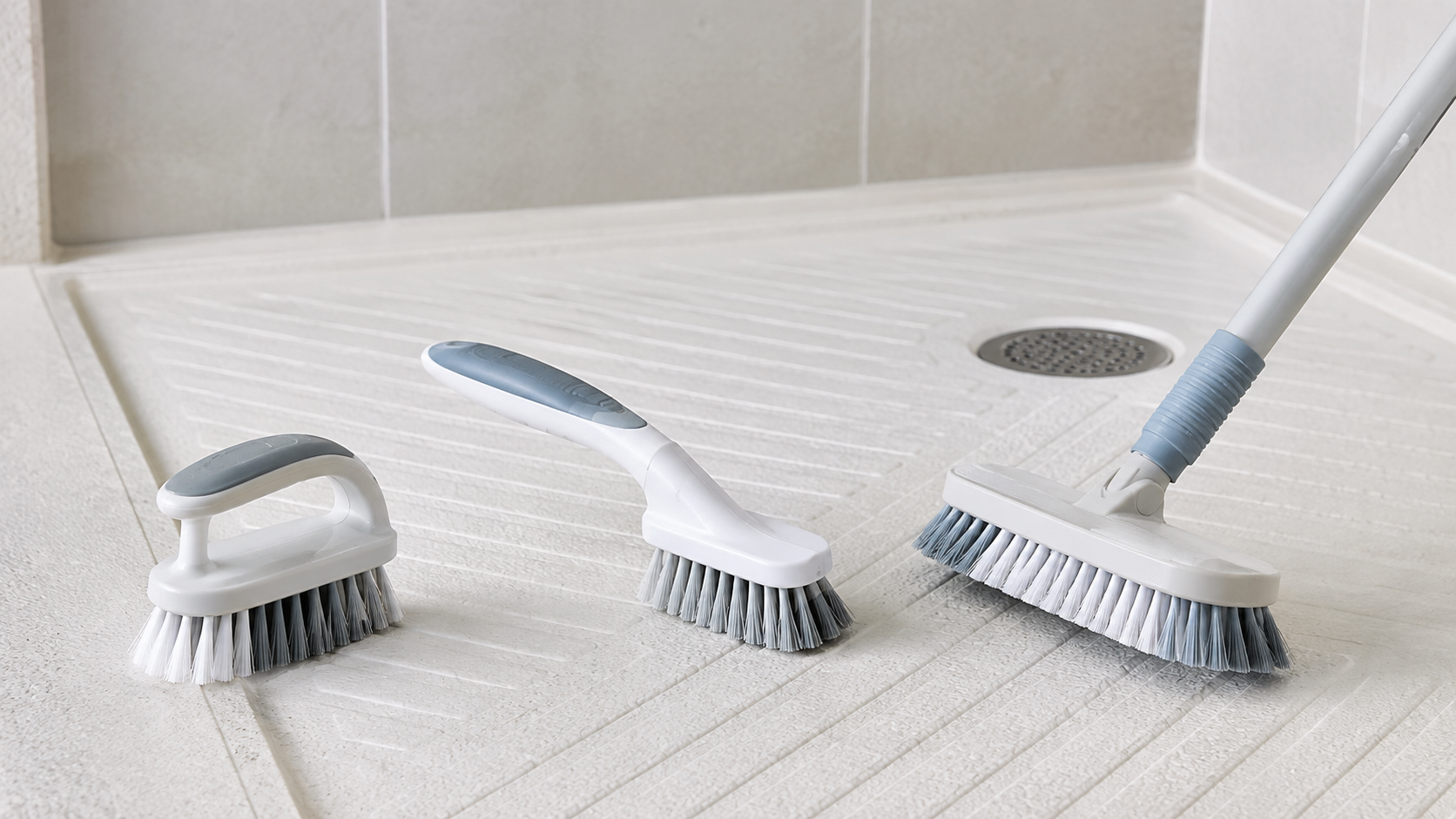
A useful brush for a textured shower floor gets bristles into shallow grooves without making the handle hard to control. Start with the shower-pan maker's care instructions, then compare a compact palm brush, an angled hand brush, or a floor brush by bristle stiffness, head footprint, grip, and drying.
As an Amazon Associate, The Good Home Doc may earn from qualifying purchases.
Quick decision before shopping
First measure the available space, identify the setup or surface constraints, and decide who will maintain the item. Skip the category if it blocks access, conflicts with the manufacturer's instructions or lease, or adds more upkeep than the problem justifies.
Compare the brush format first: These affiliate category links are shopping starting points, not named winners or tested rankings.
- Browse category: Angled hand scrub brushesCompare bristle stiffness, grip clearance, head width, and surface guidance.
- Browse category: Palm-grip scrub brushesWorth comparing when a low, broad grip is easier to control on open floor areas.
- Browse category: Long-handle shower-floor brushesUseful when kneeling is impractical, provided the head stays stable and the surface permits brushing.
Confirm the shower-pan maker's care guidance, the brush material and dimensions, handle design, and drying setup before buying. Test the brush and cleaner separately in an inconspicuous spot.
This guide covers routine cleaning of intact, manufacturer-approved shower-pan surfaces. It does not diagnose recurring discoloration, repair damaged coatings or grout, address leaks, or provide mold-remediation advice. If the floor is cracked, loose, persistently damp, soft, or repeatedly discolored, stop scrubbing and address the underlying condition with the appropriate property contact or qualified professional.
Quick Picks by Floor and Reach
- Best starting point for shallow texture: a medium or soft nylon hand brush with a compact oval head and no exposed hard edges.
- Best for grooves and around the drain: an angled hand brush whose bristle tips reach recesses while the body clears nearby hardware.
- Best for a larger open pan: a palm-grip brush with a head small enough to stay flat across slopes and curves.
- Best when kneeling is impractical: a stable long-handle brush with a positive handle lock and a head that does not flip under light pressure.
- Best for an unknown or delicate finish: no purchase until you identify the surface and check its care instructions.
Why Texture Changes the Brush Decision
A flat pad may ride over raised anti-slip texture and leave residue in the low points. A brush can follow those contours, but stiffer is not automatically better. Bristles that are too rigid can mark a coating, catch at damaged edges, or concentrate more force than the surface allows. The right goal is controlled contact, not maximum abrasion.
Texture also changes how the head sits. Oversized rectangular heads may bridge a curved shower pan, while a very narrow detail brush turns a broad floor into an unnecessarily slow job. A compact oval or rounded head is often the practical middle ground.
Comparison Framework
Angled Hand Brushes
An angled handle keeps knuckles above the wet floor and directs pressure over a compact head. Bristle tufts can reach shallow grooves better than a solid pad.
Choose one if: you want control around the drain, edges, and changes in slope. Watch for: hard plastic noses extending beyond the bristles, narrow handles that twist in a wet hand, and heads so tall they feel unstable.
Palm-Grip Brushes
A low palm handle spreads effort across the hand and gives direct feedback about pressure. It works best on open floor areas where the entire bristle face can meet the surface.
Choose one if: a conventional handle is uncomfortable and the shower pan has room for short overlapping passes. Watch for: finger openings that are cramped when wet, enclosed handle cavities that retain water, and broad heads that cannot follow curved corners.
Long-Handle Floor Brushes
A longer handle can reduce kneeling and deep bending, but it also reduces fine pressure control. Look for a secure pole connection and a moderately sized head that tracks the floor instead of flipping.
Choose one if: reaching the floor with a hand brush is impractical and the enclosure gives the pole enough maneuvering room. Watch for: unstable pivots, flexing handles, bulky heads, and storage that leaves the bristles wet.
Narrow Detail Brushes
A narrow head is useful at the drain edge or in a sharply defined channel. It should complement, not replace, a general floor brush.
Choose one if: most of the floor is easy to clean but small recesses remain. Watch for: stiff pointed tips, metal bristles, and using a grout brush across the entire textured pan.
Must-Have Features
- Documented surface fit: the shower-pan instructions and brush guidance should permit the material and cleaning action.
- Appropriate nylon bristles: start softer and increase stiffness only when the surface maker allows it.
- A controlled head footprint: the brush should contact grooves without bridging curves or striking fixtures.
- A wet-hand grip: handle shape and texture should remain secure without requiring excessive squeezing.
- Covered edges: bristles should extend beyond the hard brush body at normal working angles.
- Complete drying: an open construction or hanging point should let air reach the bristle base after rinsing.
Nice-to-Have Features
- A replaceable head with a clearly documented size and connection.
- A rounded nose for working near curved pan edges.
- A hanging loop that fits the storage hook you already have.
- Color coding that keeps the shower brush separate from toilet or kitchen tools.
Surface and Cleaner Checks Come First
Textured shower floors may be acrylic, fiberglass, molded composite, coated metal, tile, stone, or another material. The texture alone does not tell you what brush or cleaner is safe. Read the manufacturer or installer guidance, especially for abrasive pads, stiff brushes, solvents, acids, bleach, or steam. Never mix cleaning products.
Rinse away loose grit first so the brush does not drag particles across the finish. Test with light pressure in a hidden area, then check after the surface dries. Stop if you see scratching, dulling, color change, coating transfer, loose material, or a change in texture.
Measure Fit Before Buying
Measure the open floor area, the narrowest space beside the drain, and any curved transition into the walls. Compare those dimensions with the full head—not just the bristle patch. For a long handle, measure the comfortable working distance and the dry storage height. A pole's maximum extension matters less than whether it locks at the length you will actually use.
Setup, Use, and Maintenance
- Identify the surface and follow its care instructions.
- Clear loose hair and grit before wet scrubbing.
- Test the brush and the labeled cleaner separately in an inconspicuous area.
- Use light, short passes that follow the texture; do not lean aggressively on the handle.
- Keep footing stable and avoid working while standing in pooled water.
- Rinse the brush thoroughly, shake off water, and store it where the bristle base can dry.
Replace a brush when its bristles stay splayed, expose the hard head, trap residue, remain odorous after cleaning, or no longer dry fully. Replaceable heads are useful only when the matching refill remains clearly identifiable.
Who Should Skip This Category
Skip a scrub brush when the shower-pan instructions prohibit brushing or abrasives, the material is unknown, the coating is peeling, or the surface is cracked or otherwise damaged. A soft cloth or maker-approved pad may be the correct choice for a delicate smooth finish.
Also skip the purchase if a tool you already own safely reaches the texture and dries well. Persistent discoloration, odor, softness, leaks, failing caulk, or loose tile is not a reason to buy a more aggressive brush; it is a reason to investigate the moisture or material problem.
Bottom Line
For most compatible textured shower pans, start with a compact nylon hand brush whose bristles reach shallow grooves and whose hard edges stay off the surface. Choose a palm grip for open areas, an angled brush for drains and curves, or a stable long handle when reach is the main constraint. Let the surface-care instructions—not the promise of heavier scrubbing—set the limits. If you are still deciding whether manual pressure or heat is appropriate, compare a handheld steam cleaner with a manual scrub brush before buying.
Next step: Put this decision in context with the home-product buying framework guide.