Under-Sink Drip Tray vs Leak Alarm: Which Helps More?
A drip tray and a leak alarm solve different parts of the same under-sink problem. One gives minor water somewhere visible to collect. The other tries to get your attention before a hidden drip turns into cabinet damage.
As an Amazon Associate, The Good Home Doc may earn from qualifying purchases.
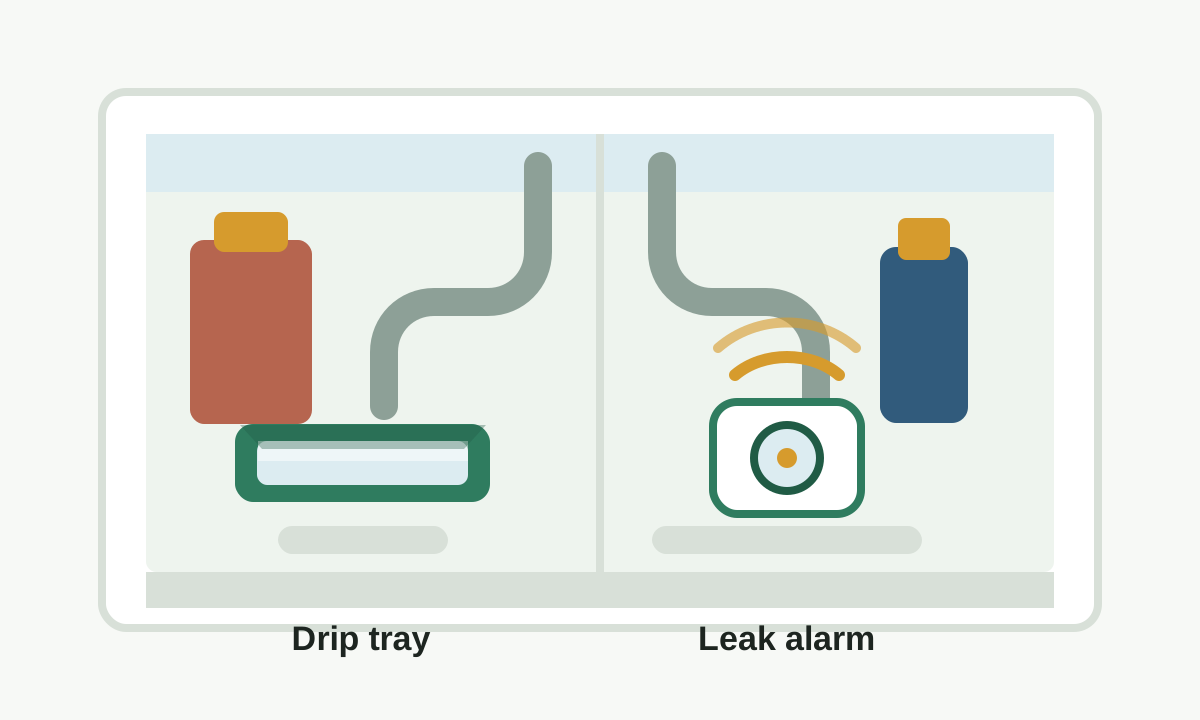
Quick decision before shopping
First measure the available space, identify the setup or surface constraints, and decide who will maintain the item. Skip the category if it blocks access, conflicts with the manufacturer's instructions or lease, or adds more upkeep than the problem justifies.
Shopping links after the decision: Use these affiliate shortcuts after you check the measurements, setup limits, and skip criteria in this guide.
- Browse category: Battery Water Leak AlarmsA relevant category to compare after applying the guide's fit checks.
- Browse category: Smart Water Leak SensorsUseful upgrade or fit check before you choose a final model.
- Browse category: Under Sink Drip TraysGood supporting product to compare before you choose a final model.
These links are shopping starting points, not test rankings. Confirm dimensions, materials, installation limits, cleaning needs, return policy, and whether the product solves your actual home problem before buying.
If you are choosing only one for a kitchen sink, bathroom vanity, or rental cabinet, start with the failure you are trying to prevent. A tray helps with small spills, bottle drips, and visible cabinet-floor protection. A leak alarm helps when water may show up while the door is closed. For the broader prevention plan, use the home leaks and moisture prevention guide.
Quick Answer
Choose an under-sink drip tray when your main problem is keeping the cabinet floor easier to wipe, spotting small messes sooner, or protecting a rental cabinet from routine bottle drips. Choose an under-sink leak alarm when the bigger risk is a hidden plumbing drip, a dishwasher or filter line, travel, or a cabinet you do not open every day.
For higher-risk sinks, the practical answer is often both: a removable tray on the cabinet floor, plus a small alarm placed where water would reach first. Neither option repairs a leak, dries damaged material, or replaces a landlord, plumber, or qualified repair person when water is active or recurring.
Decision flow
- Is water active, recurring, or the cabinet swollen? Stop: report or repair the source; neither product is the first response.
- Is the problem routine bottle residue and you inspect weekly? Start with a removable tray.
- Could water appear behind a closed door for days? Start with a reachable audible alarm.
- Are both consequences meaningful? Use a tray plus an alarm, keeping the sensor at the first likely collection point.
Hypothetical cost-of-neglect comparison
Suppose a very slow drip releases one tablespoon every 10 minutes. That is 6 tablespoons per hour, or 144 tablespoons in a day—about 9 cups using 16 tablespoons per cup. This is arithmetic for illustrating why elapsed time matters, not a measured leak rate or a prediction of damage. A tray of unknown capacity must not be assumed to contain it, and an alarm only helps if someone can hear or receive it and respond.
What a Drip Tray Does Best
An under-sink drip tray is a shallow removable surface that sits on the cabinet floor. It can catch small spills from cleaning bottles, damp sponges, soap refills, loose sprayers, and occasional drips long enough for you to notice them during normal use.
It fits best when you want a low-maintenance layer that makes the cabinet easier to inspect. A light-colored tray with a low raised rim can make moisture, rust-colored marks, and bottle residue easier to see than a dark cabinet base.
Choose a drip tray if:
- You open the cabinet often enough to notice water or residue.
- The main mess comes from cleaning products, soap bottles, sponges, or trash-bag storage.
- You want a renter-friendly layer that lifts out without adhesive or hardware.
- Your cabinet floor is still dry, flat, and structurally sound.
- You need to keep shutoff valves and pipes visible while improving cleanup.
Skip the tray-first approach if:
- You already see active dripping, swelling, soft cabinet material, staining, or musty odors.
- The tray would wedge tightly around pipes and make plumbing access worse.
- You rarely open the cabinet and need an alert, not just visible containment.
- You expect the tray to handle a serious leak or appliance failure.
For tray-specific measurements and fit notes, read the guide to choosing an under-sink drip tray.
What a Leak Alarm Does Best
An under-sink leak alarm is a small sensor that sounds when water reaches its contacts or sensor cable. Some models only make a local alarm. Others send phone alerts through Wi-Fi, a hub, or a smart-home platform.
The benefit is timing. A good alarm can get your attention while the cabinet door is closed, before a small drip has time to spread across the cabinet base. That matters most when the sink is over finished flooring, the cabinet is crowded, or you travel often.
Choose a leak alarm if:
- You want a warning when water appears, not just an easier cleanup surface.
- The cabinet has a garbage disposal, water filter, dishwasher line, or several supply connections.
- You do not check the cabinet often.
- You need a simple renter-friendly option that does not modify plumbing.
- You may need phone alerts when nobody is home.
Skip or delay an alarm if:
- The source is already leaking and needs repair first.
- You will bury the sensor behind bottles or bins where it cannot touch water early.
- You will not test it or replace batteries.
- The smart version requires an app, hub, or notifications you do not want to maintain.
For alarm types and placement, use the under-sink leak alarm guide for renters or compare detector styles in the under-sink leak detector guide.
Tradeoffs That Matter
Visibility vs alerting
A tray makes small water problems easier to see when you open the cabinet. An alarm tells you something is wet even when you are not looking. If you routinely ignore the cabinet for weeks, an alarm solves the more important problem.
Cleanup vs response time
A tray can make cleanup faster because water and residue stay on a removable surface. An alarm does not contain the mess, but it can shorten the time water sits under the sink. For a slow supply-line drip, response time matters more than neat cleanup.
Fit around pipes
Drip trays need enough open floor area to sit flat. Pipes, disposals, filters, and cabinet frames can make fit awkward. Leak alarms are usually easier in cramped cabinets, especially low-profile or sensor-cable models, but they still need to sit where water would actually travel.
Maintenance
A tray needs wiping, removal, and an occasional check underneath. An alarm needs battery checks, testing, and a clear sensor location. The better choice is the one you will maintain without turning it into another forgotten object under the sink.
Renter limits
Both can be renter-friendly if they are removable and do not require drilling, adhesive, wiring, or plumbing changes. Renters should avoid automatic shutoff systems, permanent mounts, or anything attached to supply lines unless the property owner has approved it in writing.
When Using Both Makes Sense
Use both when the cabinet is high-risk or hard to inspect: a kitchen sink with a disposal, a sink over finished flooring, a vanity used by kids, a cabinet with a water filter, or a rental where you want early warning without permanent changes.
The setup is simple. Place the tray first, making sure it does not block shutoff valves. Then place the leak alarm at the lowest point or near the most likely water path. Keep the alarm visible, and do not cover it with bottles, trash bags, or pull-out bins.
Setup Checklist
- Empty the cabinet. You need to see the floor, pipes, valves, disposal, filters, and back corners.
- Check for existing damage. Swelling, softness, staining, recurring dampness, or musty smells mean the source needs attention before a product decision.
- Measure the open floor. Include door clearance, pipe cutouts, disposal clearance, and the path to shutoff valves.
- Choose the first layer. Tray for visible cleanup, alarm for early warning, both for higher-risk cabinets.
- Restock lightly. Keep supplies in removable bins and leave the likely water path visible.
- Set a check routine. Wipe the tray and test the alarm when you replace filters, refill soap, or clean under the sink.
Which One Should You Buy First?
Buy a drip tray first if the cabinet is dry, you open it often, and your main goal is practical protection from everyday mess. Buy a leak alarm first if you are worried about hidden water, you travel, or the cabinet has several possible leak points. Buy both if water damage would be expensive or difficult to catch quickly.
Pause before buying either one if there is active water, damaged cabinet material, a mystery odor, or recurring dampness. Renters should contact the landlord or property manager. Homeowners should consider a plumber or qualified repair person when the source is unclear, persistent, or connected to supply lines, drains, appliances, walls, or flooring.
Bottom Line
An under-sink drip tray is best for visible containment and easier cleaning. An under-sink leak alarm is best for early warning. The strongest small-cabinet setup often uses a removable tray plus a simple, reachable alarm, but only after you have ruled out active leaks that need real repair.
Sources and limits
For the repair-first boundary, see EPA WaterSense, Fix a Leak Week (retrieved October 25, 2026). The volume example is a labeled calculation. It is not field testing. Exact alarm placement, testing, battery, connectivity, and tray-capacity claims must come from the selected manufacturer's current instructions.