Peel-and-Stick Backsplash vs Removable Wallpaper for a Rental Kitchen
Choose peel-and-stick backsplash panels for a suitable sink or prep wall that needs routine wiping. Choose removable wallpaper for a dry accent wall where pattern and broad coverage matter more than splash resistance. Neither belongs near heat, water, or a wall finish the manufacturer excludes.
As an Amazon Associate, The Good Home Doc may earn from qualifying purchases.
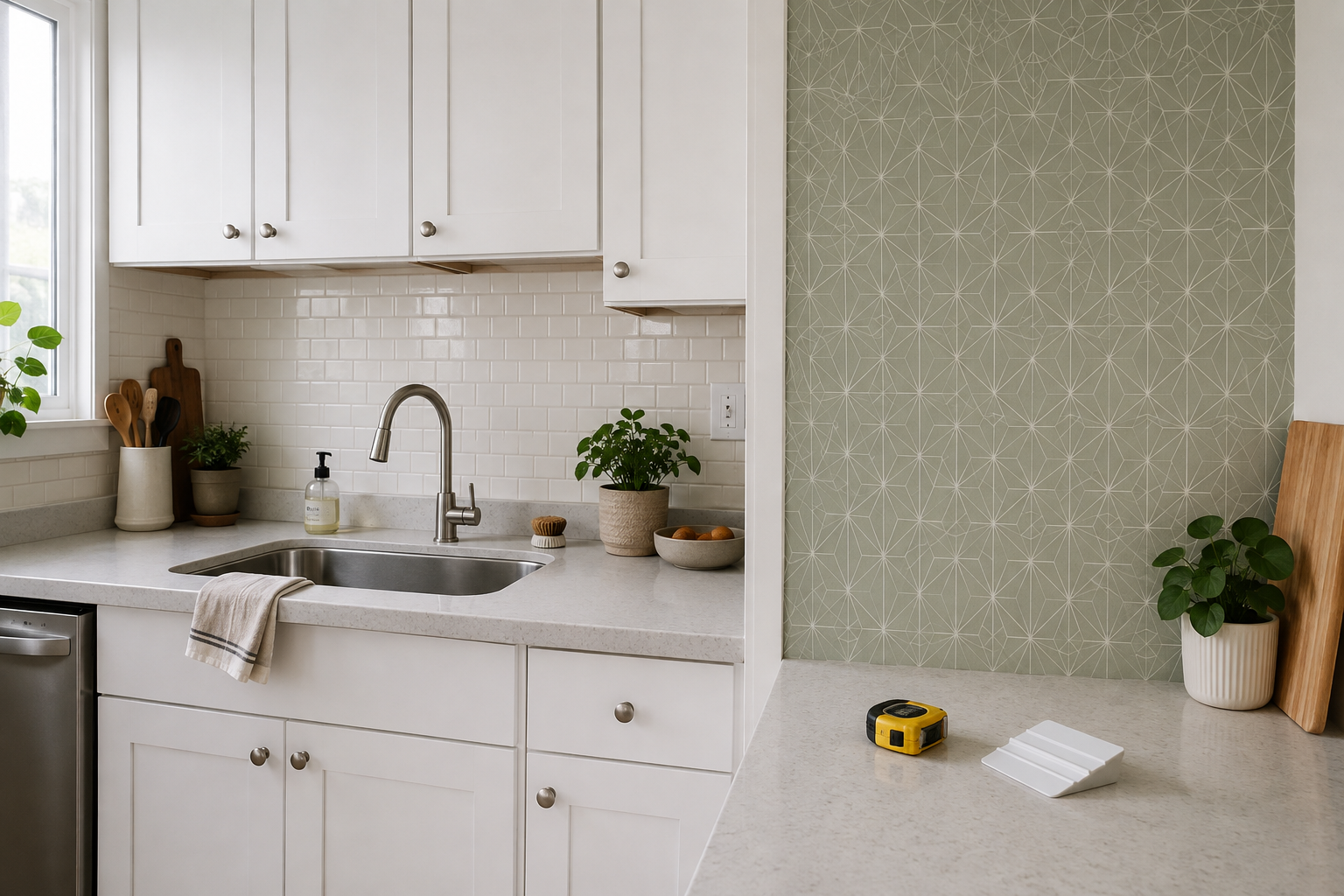
Quick decision before shopping
First measure the available space, identify the setup or surface constraints, and decide who will maintain the item. Skip the category if it blocks access, conflicts with the manufacturer's instructions or lease, or adds more upkeep than the problem justifies.
Compare the two formats: These category links are shopping starting points, not tested winners. Check the exact wall, placement, dimensions, and maker instructions before buying.
- Browse category: Shop peel-and-stick backsplash panels on AmazonCompare approved surfaces, thickness, seams, cleaning directions, location limits, and removal.
- Browse category: Shop removable wallpaper on AmazonCompare approved rooms and surfaces, roll coverage, pattern repeat, repositioning, wipeability, and removal.
This guide owns the placement decision between the two formats. Once you choose, use the renter backsplash guide or the removable wallpaper guide for format-specific buying criteria. The renter-friendly upgrades hub covers lease and removal planning.
The short answer
- Pick backsplash panels for a smooth, approved wall behind a sink, coffee station, or prep counter when the instructions permit that exposure and you need a wipeable surface.
- Pick removable wallpaper for a dry side wall or breakfast nook when you want broader pattern coverage and the wall finish is approved.
- Skip both near direct heat, flame, damaged finishes, active moisture, loose paint, or any location excluded by the product maker or lease.
Side-by-side decision table
| Decision point | Backsplash panels | Removable wallpaper |
|---|---|---|
| Best role | Compact, wipeable counter-wall zone. | Dry decorative wall with wider coverage. |
| Critical check | Placement-specific heat, moisture, and cleaning limits. | Wall-finish compatibility and room-use limits. |
| Layout work | Outlets, cabinet edges, corners, and panel seams. | Plumb first panel, pattern repeat, roll width, and long seams. |
| Cleaning | Selected for wiping, but seams and edges still matter. | Only as washable as stated; edges dislike repeated scrubbing. |
| Removal risk | More seams and sometimes thicker adhesive. | Larger sheets can stress weak paint during removal. |
Choose by wall zone, not pattern
A kitchen contains very different wall conditions. The strip behind a sink sees splashes and wiping. The area beside a range may see heat and grease. A breakfast-nook wall may stay comparatively dry. Map the actual zone before treating either product as a general kitchen wall covering.
Backsplash panels make more sense when the maker permits the exact counter-wall use and gives clear care instructions. Removable wallpaper is usually the cleaner decision for a dry decorative wall. Do not use either covering to hide swelling, staining, a recurring leak, loose material, or another defect that should be reported to the property manager.
Check the existing surface
Both formats depend on the substrate. Textured walls, porous masonry, loose or chalky paint, uncured paint, greasy film, dampness, and patched areas can interfere with bonding or removal. “Removable” describes intended product behavior, not a promise that every coat of paint will survive.
Read the approved-surface list and paint-age requirements. If the lease allows a test, use a sample in a discreet but representative spot and follow the stated wait and removal method. A hidden test cannot guarantee a full installation, but it can reveal an obvious mismatch.
Measure seams, outlets, and pattern repeat
For backsplash panels, sketch the counter length, cabinet underside, corners, outlets, switches, and appliance edges. Work out where full panels and cut seams will land. Tiny pieces around an outlet or a seam directly behind frequent splashing can be difficult to keep neat.
For wallpaper, calculate usable wall height and width plus the stated pattern repeat. A large repeat can consume more material than the square-foot figure suggests. Check whether panels overlap or meet edge to edge, and plan the first panel from a plumb reference rather than assuming the corner is straight.
Heat, moisture, and electrical boundaries
Follow the covering and appliance manufacturers' clearance and location instructions. Do not place temporary wall coverings behind or beside a burner, open flame, appliance vent, or heat source unless the instructions explicitly allow the exact use. If requirements are uncertain, leave that zone uncovered and ask the landlord or a qualified professional.
Near water, wipe splashes promptly and watch edges, seams, outlet openings, and the counter joint. A wipeable face does not make the installation waterproof. Never tuck material into an electrical box or alter an outlet. Work involving outlets should follow landlord requirements and qualified guidance.
Cleaning and everyday wear
A backsplash format should tolerate the routine cleaning method stated by its maker. Deep faux-grout texture can collect residue, while many seams create more exposed edges. Wallpaper on a dry wall still needs care around chair backs, trash cans, pet bowls, and high-touch corners.
Use only approved cleaners and tools. Solvents, abrasive pads, steam, and heavy saturation may damage the face, adhesive, paint, or seams. If the kitchen requires frequent degreasing, a landlord-approved permanent surface—or leaving the existing wall visible—may be more sensible.
Move-out planning
Get written permission when the lease or building rules require it. Photograph the wall before installation, retain product information, and save the removal directions. Sun exposure and cooking residue can leave uncovered paint looking different even when the product releases cleanly.
Remove material only with the documented method. Do not improvise with heat, chemicals, blades, or force on an unknown finish. Stop if paint lifts, drywall paper tears, a panel will not release normally, or the wall feels soft or damp.
Who should skip each option
Skip backsplash panels when the proposed zone is too close to heat, receives exposure the product excludes, has too many awkward obstacles, or needs stronger cleaning than the surface allows.
Skip removable wallpaper for a true splash zone, greasy cooking wall, heavy texture, weak paint, or any room or cleaning method outside its instructions.
Skip both when permission is unclear, the wall is damaged, the upgrade could interfere with appliances or outlets, or a removable counter guard, framed print, or leaving the wall alone solves the problem with less risk.
Bottom line
Peel-and-stick backsplash panels are the more logical candidate for a suitable, maker-approved counter-wall zone that needs wiping. Removable wallpaper is better reserved for a dry accent wall where pattern and coverage lead the decision. Choose the format whose instructions match the exact surface and placement—and whose removal risk you and the property owner accept.